


Designing a home that supports your well-being can make a real difference in your health and daily life—but feeling your best depends on more than what’s inside your walls. It’s hard to truly relax in your at-home sauna or enjoy a peaceful soak in the tub if your surroundings are stressful. Everything from air quality and public safety to housing costs and environmental conditions plays a role in how comfortable and secure you feel where you live.
If you’re considering a move, some new research may help guide your decision. U.S. News & World Report recently released its 2026 rankings of the U.S. cities with the highest quality of life, evaluating factors such as safety, affordability, environmental conditions, education, health care, cost of living, and access to cultural amenities.
Advertisement – Continue Reading Below
Using data from Applied Geographic Solutions (AGS) along with its own research, U.S. News grouped these measures into five weighted indexes based on what Americans value most. The result is a list of the 25 cities that offer the strongest overall quality of life.
No place is perfect, but living in one of these cities may make it easier to focus on your health and happiness instead of everyday stressors. Ahead, we highlight the top 10 cities on the list. And if moving isn’t part of your plans, we’re also sharing simple ways to improve your quality of life wherever you call home.
Cities With the Best Quality of Life
1. Brookline, Massachusetts
Thomas H. Mitchell / 500px//Getty Images
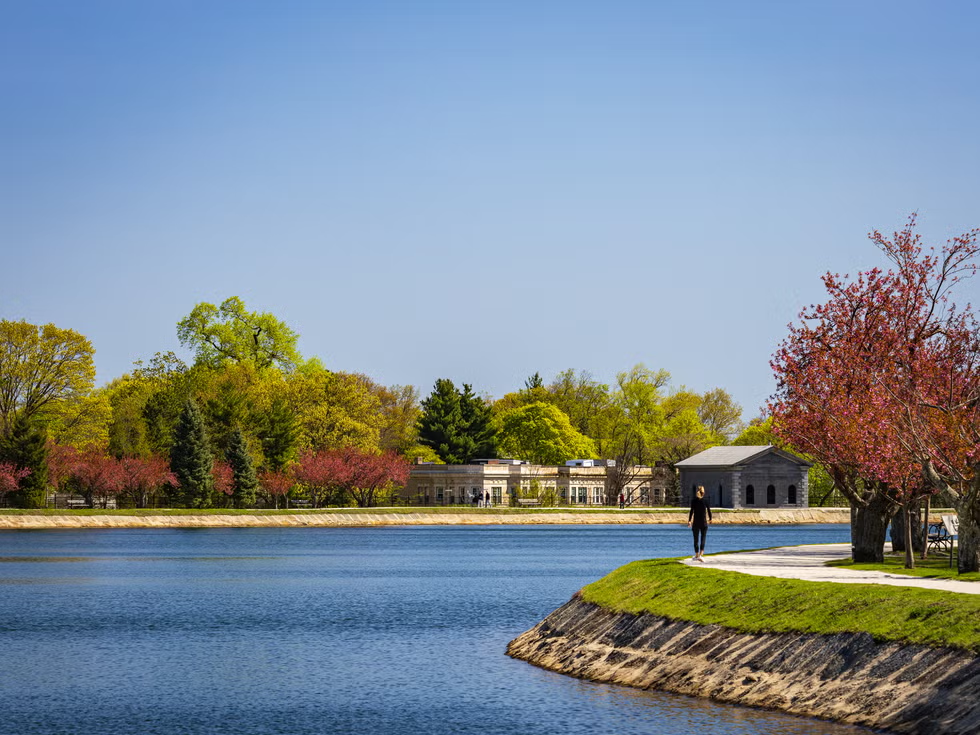
According to U.S. News, Brookline, Massachusetts, is the best city to live in for quality of life. The median household income is just shy of $152,000, and it’s part of the Boston metropolitan area. It’s known for its top-tier schools, historic homes, beautiful parks, and cultural attractions. The small city is also the birthplace of President John F. Kennedy.
Advertisement – Continue Reading Below
2. Newton, Massachusetts
stresstensor//Getty Images
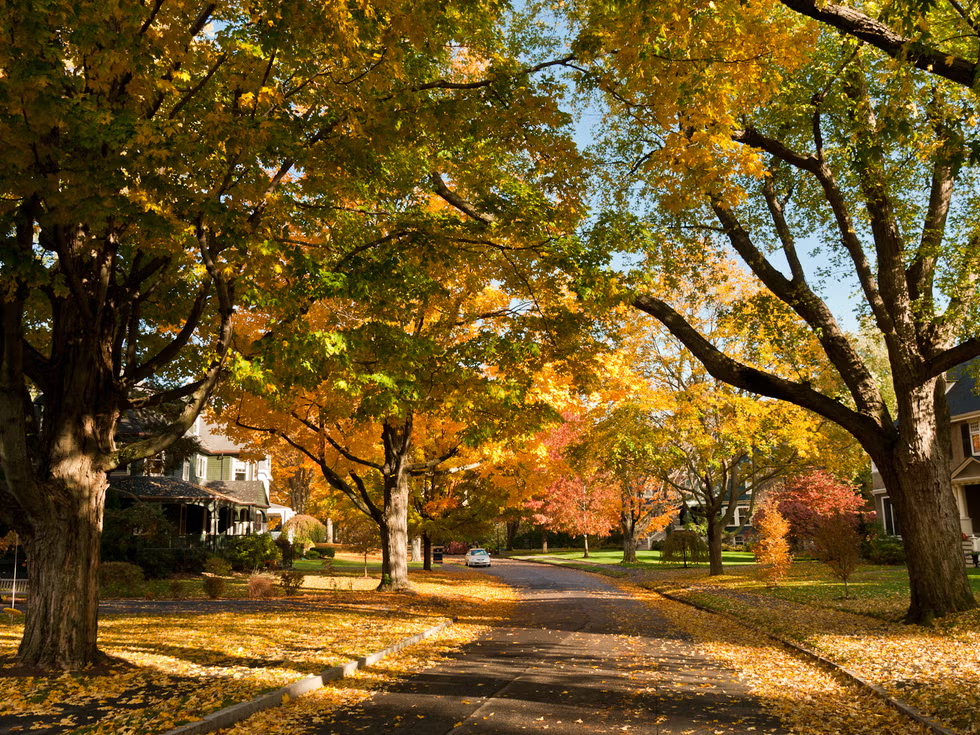
Another affluent city in the Boston metropolitan area is Newton, Massachusetts. It has a median household income of around $198,000 with an unemployment rate that’s lower than the national average. It boasts historic charm and beautiful tree-lined streets, and it’s known to be a safe place to live.
3. Bethesda, Maryland
DenisTangneyJr//Getty Images
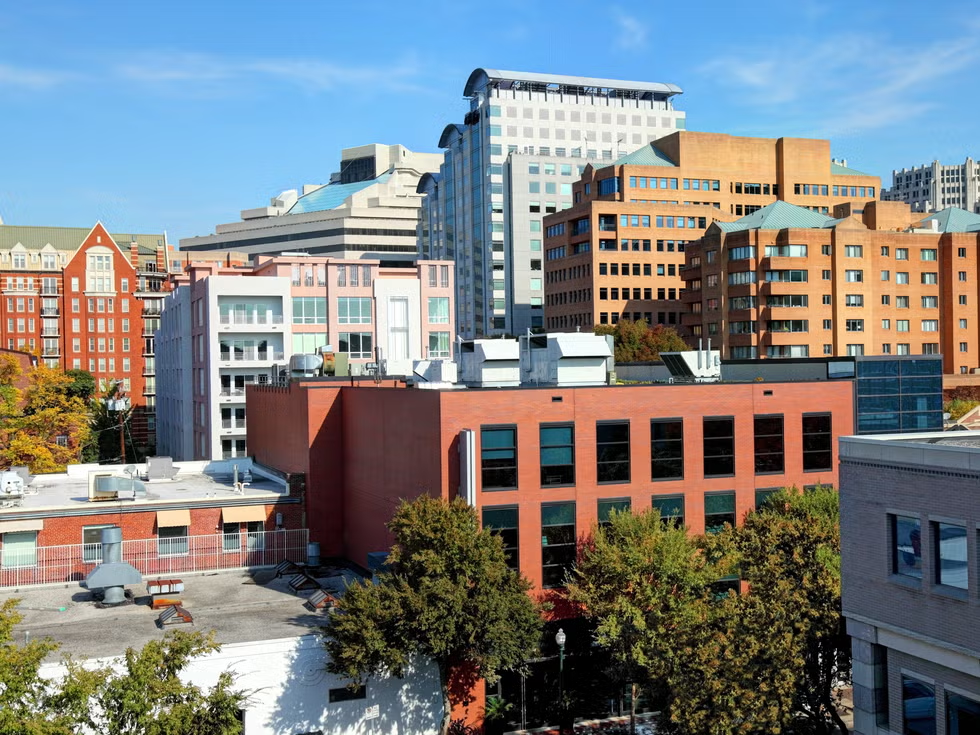
Bethesda, Maryland, is a suburb of Washington, D.C., that’s known for its diverse shopping and dining experiences, colorful arts and culture scene, top schools, and medical and research centers. The median household income is around $191,000, and it’s surrounded by beautiful greenery.
Advertisement – Continue Reading Below
4. Bellevue, Washington

Merrill Images//Getty Images
If you’re looking for a place with plenty to do in nature, Bellevue, Washington, might be for you. It’s one of the larger cities on the list, with around 154,000 people and a median household income of around $169,000. It has museums and parks to stroll around in, and it’s a major tech hub.
5. Malden, Massachusetts
DenisTangneyJr//Getty Images
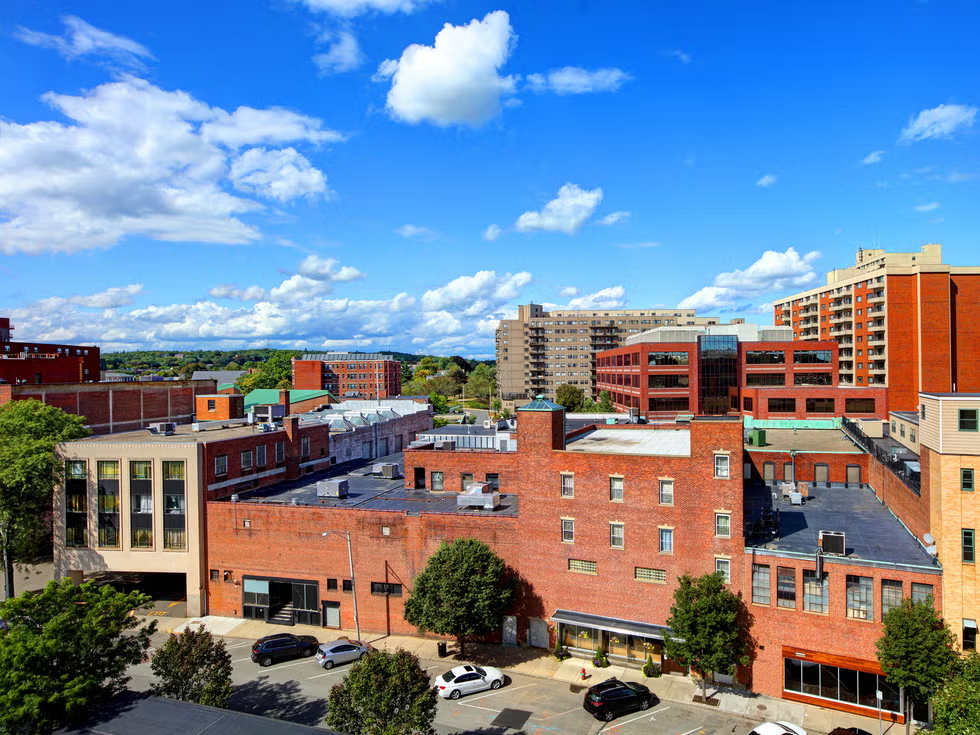
Another city in the greater Boston area, Malden, Massachusetts, has a population of around 68,000 and a median household income of $102,000. It was an important city in the American Revolution, being one of the first towns to show resistance against the British Empire. Now, you can go there to learn history, explore nature, and finish the day with a craft beer.
Advertisement – Continue Reading Below
6. Chapel Hill, North Carolina

jeremyiswild//Getty Images
Home of the University of North Carolina, Chapel Hill is a cultural hub with diverse restaurants, a good art scene, and an abundance of green space. It has a median household income of around $95,000, which is the second lowest on this list of 10 cities, though still higher than the national average.
7. Cambridge, Massachusetts
Richard T. Nowitz//Getty Images
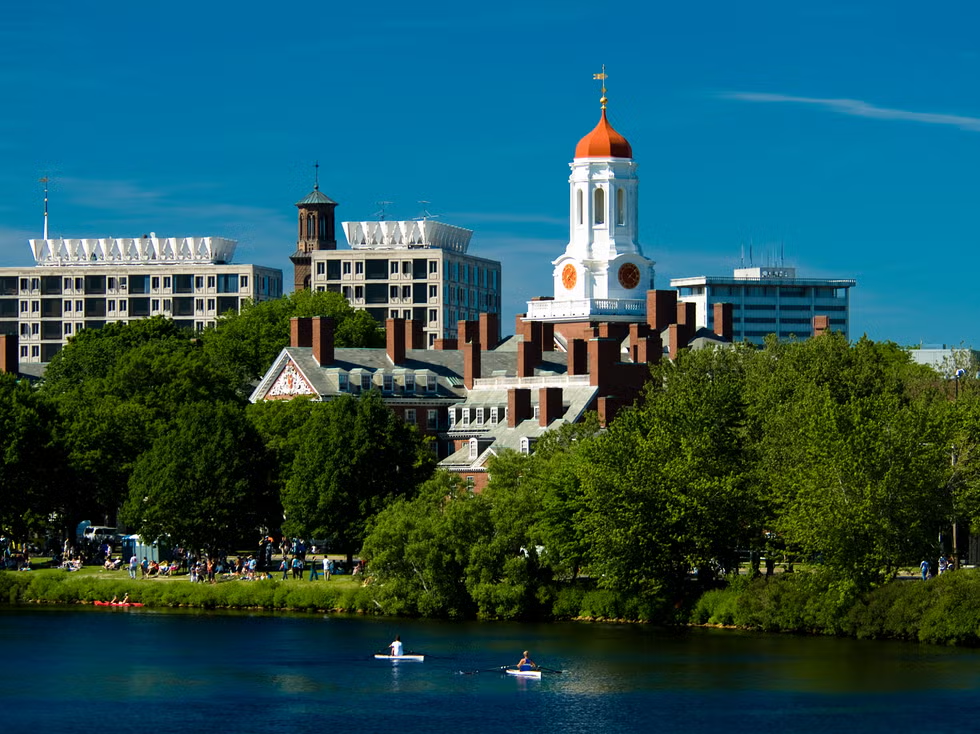
Harvard University is located in Cambridge, Massachusetts, which is the seventh best city for quality of life in the country. It’s an educational hub with beautiful neighborhoods and historical architecture. The median household income is around $134,000, and it offers excellent walkability.
Advertisement – Continue Reading Below
8. Kirkland, Washington
irina88w//Getty Images
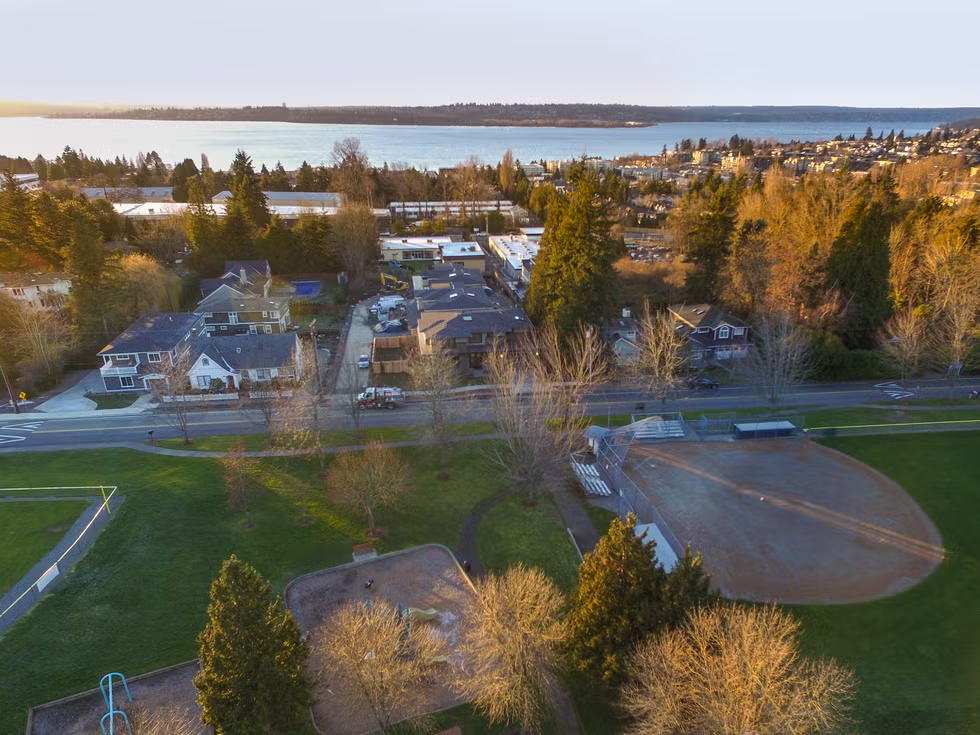
A suburb east of Seattle, Kirkland, Washington, is a gorgeous place to live. It’s right off Lake Washington and has a colorful downtown area with great restaurants, art galleries, and shopping. The median household income is around $153,000, and it’s also a tech hub.
9. Rockville, Maryland
DenisTangneyJr//Getty Images
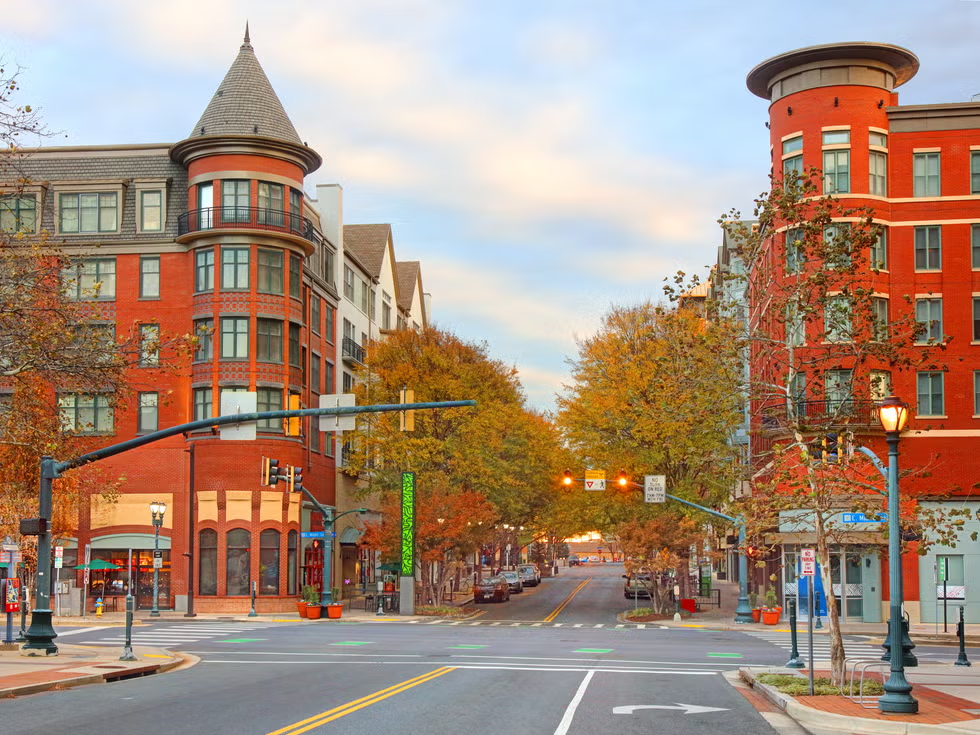
Rockville, Maryland, is near Washington, D.C., and has a charming selection of boutiques, restaurants, bars, and an abundance of parks and green spaces. It has a median household income of around $126,000 and a strong economy. It’s known to be a great place to live with its historic charm and lively square.
Advertisement – Continue Reading Below
10. Passaic, New Jersey
johnemac72//Getty Images
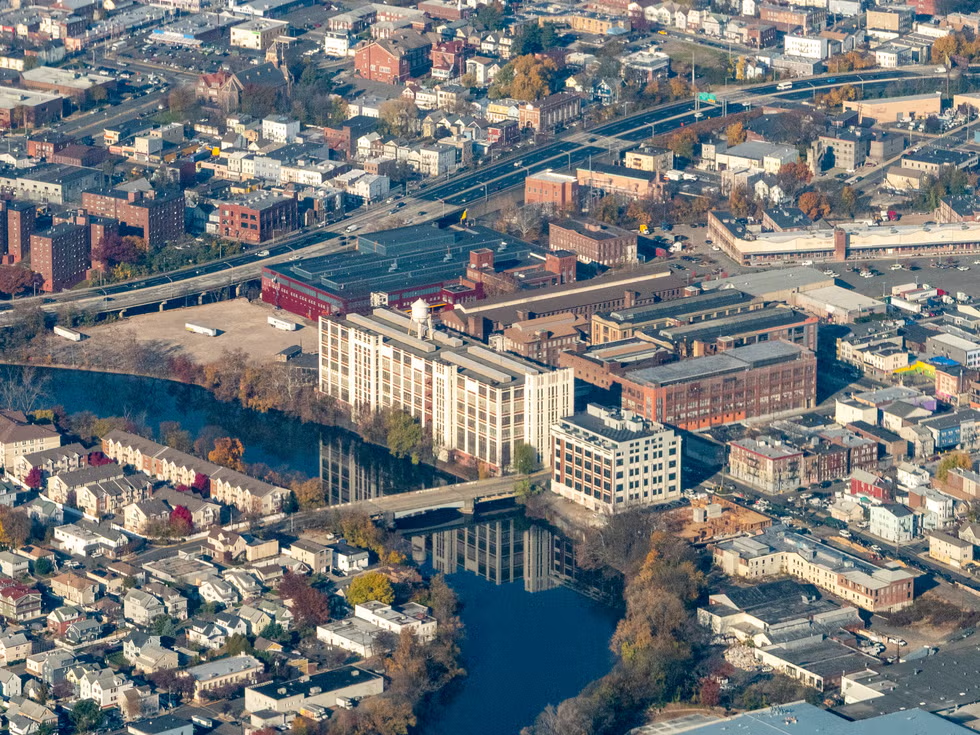
The 10th best city for quality of life is Passaic, New Jersey. This small city has the lowest median household income on the list at $64,000. It’s a place with a rich history and diverse restaurants and shops, with a fair share of parks.
How to Improve Your Quality of Life
Don’t live in one of these 10 cities? Don’t fret; there are plenty of ways you can increase your own quality of life, no matter where you live, from the hobbies you take up to how you decorate your home.
Quality of life is heavily dependent on your physical and emotional health. Taking the time to exercise regularly, even if that looks like going on a daily walk, can boost your mood and energy levels, according to the University of Alabama at Birmingham. Even taking up a grandma hobby, for example, that forces you to slow down and use your hands, can enhance cognitive function and memory while increasing your concentration.
From a more design-forward standpoint, designer Jessica Risko Smith, founder of design firm JRS ID, says wellness can be translated into the residential space with intention.
“Inside the home, we’re seeing strong demand for dedicated spaces to unplug—quiet rooms designed for reading and rest, intentionally without televisions. Yoga rooms and craft rooms are also a common request,” she explains. “We’re designing homes around daily rituals—lap pools for regular swimming, cold plunge pools thoughtfully incorporated into pool house patios or adjacent outdoor spaces, and primary bathrooms that open via French doors to private courtyards with outdoor showers, saunas, or steam rooms embedded into the landscape.”
Features that support health and longevity are how she designs homes with well-being in mind. At-home saunas and cold plunges are great, but those are not the only ways wellness appears. It’s less about spectacle, Smith says, and more about creating adaptable environments that support how people actually live.
Leave a Reply