

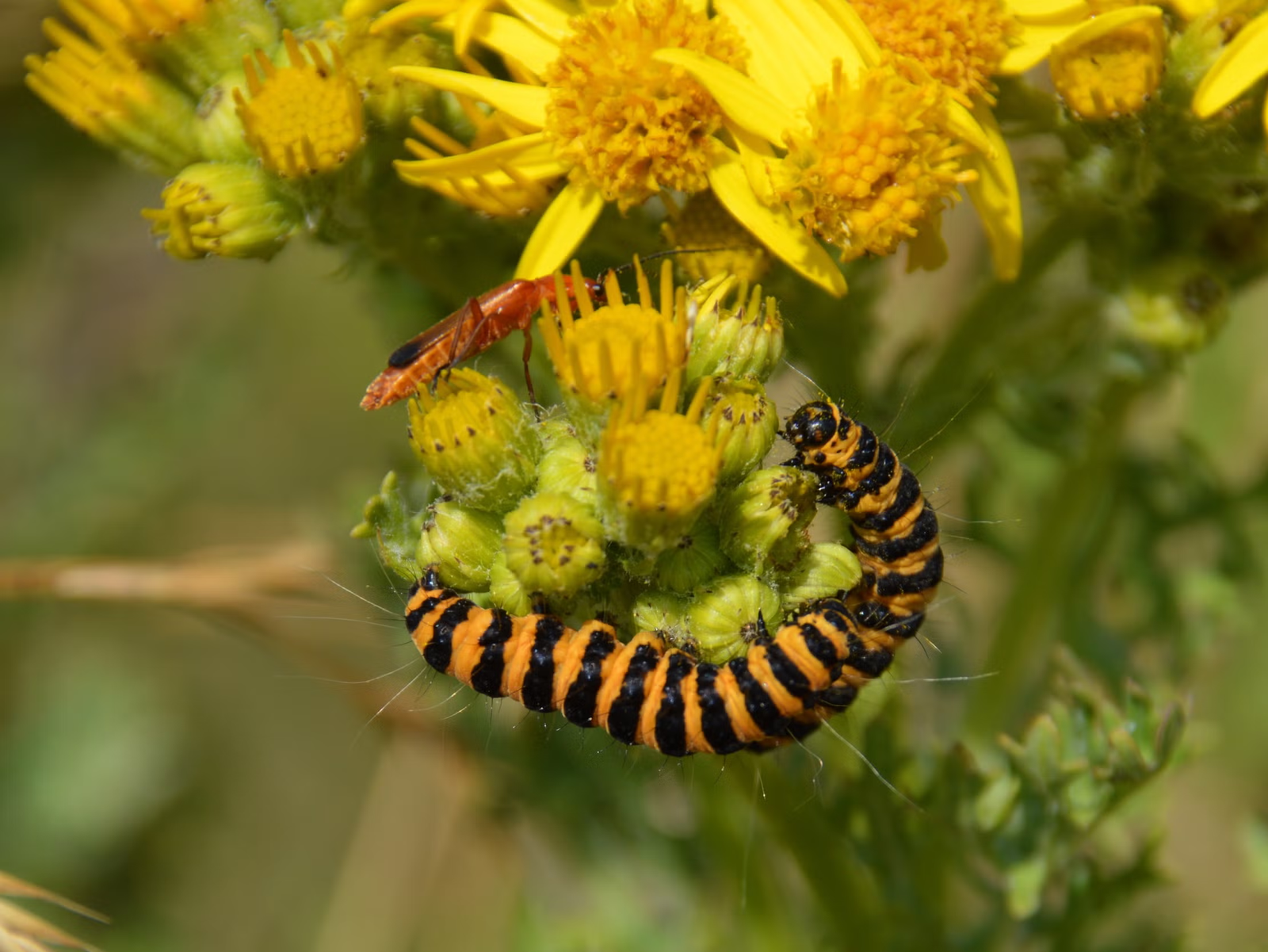
Caterpillars may look harmless, but in large numbers they can strip leaves, ruin flowers, and damage fruit before you realize there’s a problem.
While many caterpillars are fine in small numbers—eventually becoming moths and butterflies infestations can quickly cause visible damage, especially on young plants and seedlings with fewer reserves to recover.
The good news is that caterpillars can often be controlled without chemical pesticides, provided you spot the warning signs early. Here’s how to identify a caterpillar problem, which species to look out for, and the simple natural methods that can help keep them under control.
More From House BeautifulTour This Off-the-Grid Cabin in Bovina Center

Related Stories:
How to Spot a Caterpillar Problem
Westend61//Getty Images
Advertisement – Continue Reading Below
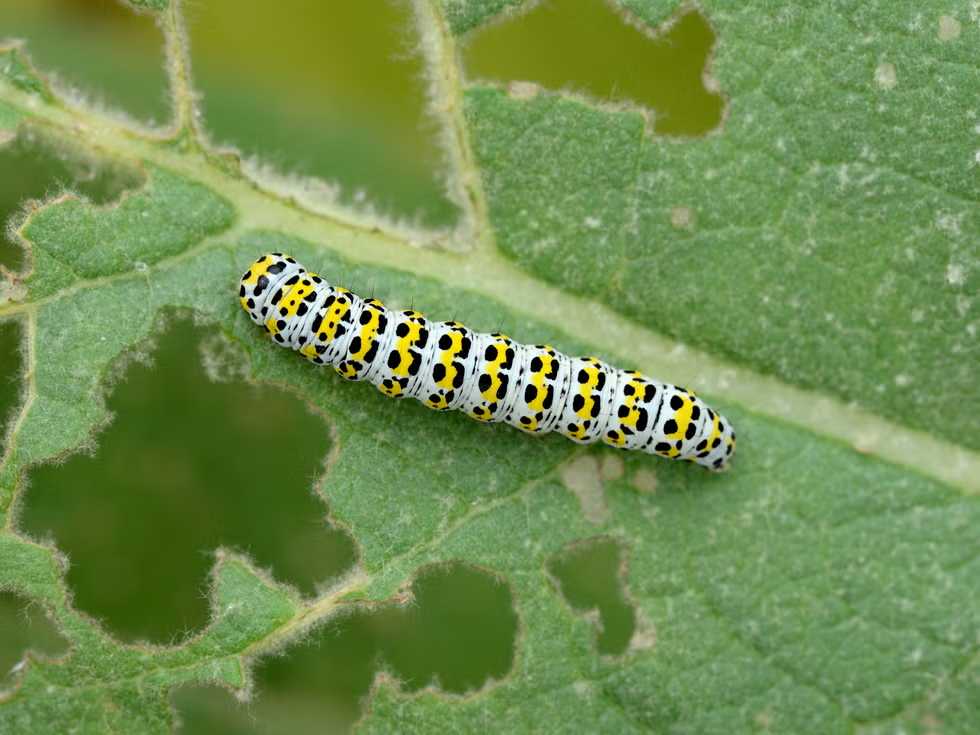
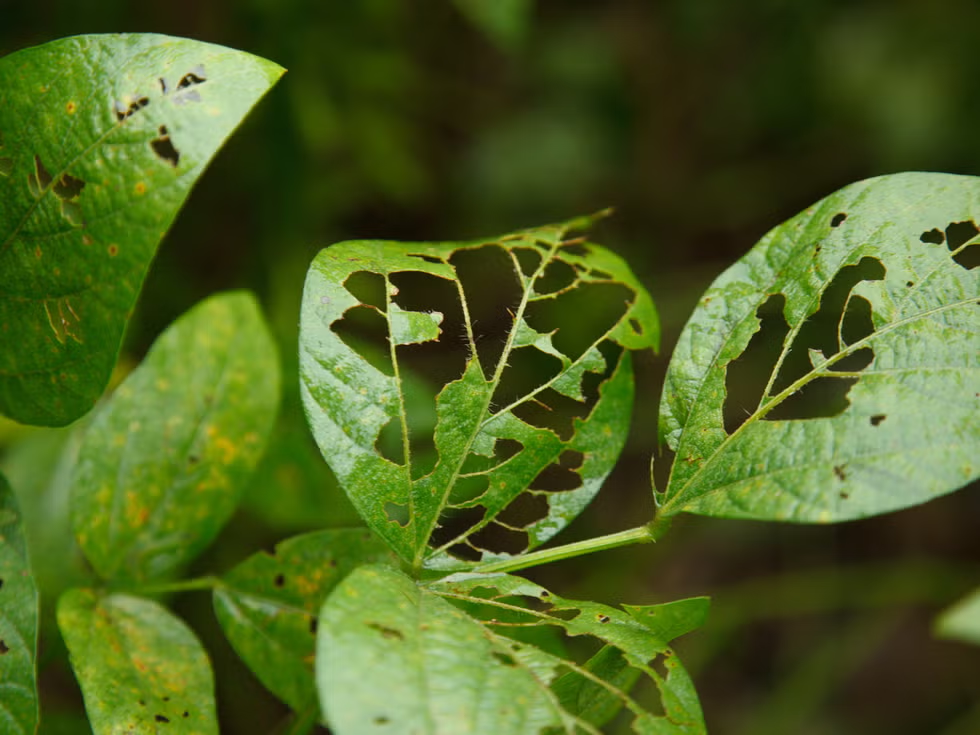
Caterpillars are often described as “eating machines”—and for good reason. Heavy infestations can remove large amounts of foliage in just a few days, leaving plants weak and struggling to recover.
“One of the first indicators of caterpillar activity is foliage with irregular holes, chewed edges or skeletonized leaves,” says Tessa Cobley, plant pest expert and owner of Ladybird Plantcare. ”You may also notice small black droppings (known as frass), webbing, or leaves that have been folded or tied together to create protective feeding sites.”
It’s also worth checking underneath leaves, where many moths and butterflies lay their eggs. “Adult moths and butterflies often lay their eggs on the undersides of leaves, and clusters of eggs may be hidden inside leaves that have been webbed shut,” says Cobley.
Spotting these early signs can make a significant difference, preventing caterpillars from spreading throughout your garden and causing more widespread damage.
Which Caterpillars Cause the Most Damage?
Gary Mayes//Getty Images
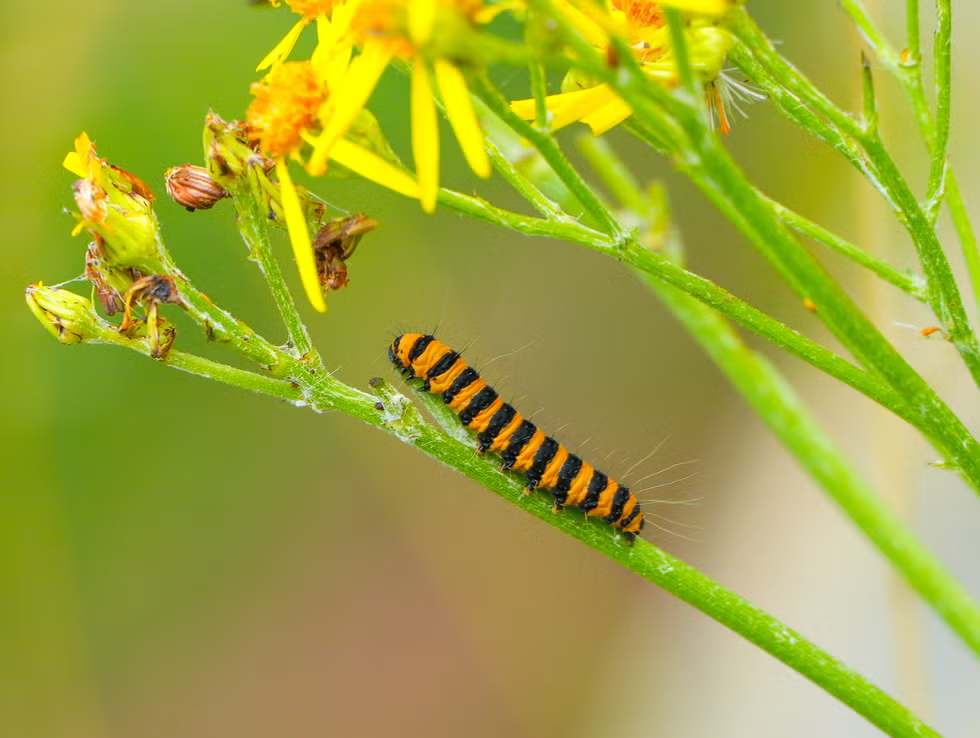
Not every caterpillar is a garden pest, but some species can cause extensive damage if left unchecked.
“Many moth and butterfly larvae feed on ornamental plants, vegetables, and soft fruit. Brassicas are particularly vulnerable to cabbage white caterpillars, while numerous moth species target herbaceous plants and shrubs,” explains Cobley.
These general leaf-feeding caterpillars typically leave behind ragged holes in foliage and, when populations are high, can strip plants of their leaves in a matter of days.
Shofi -//Getty Images
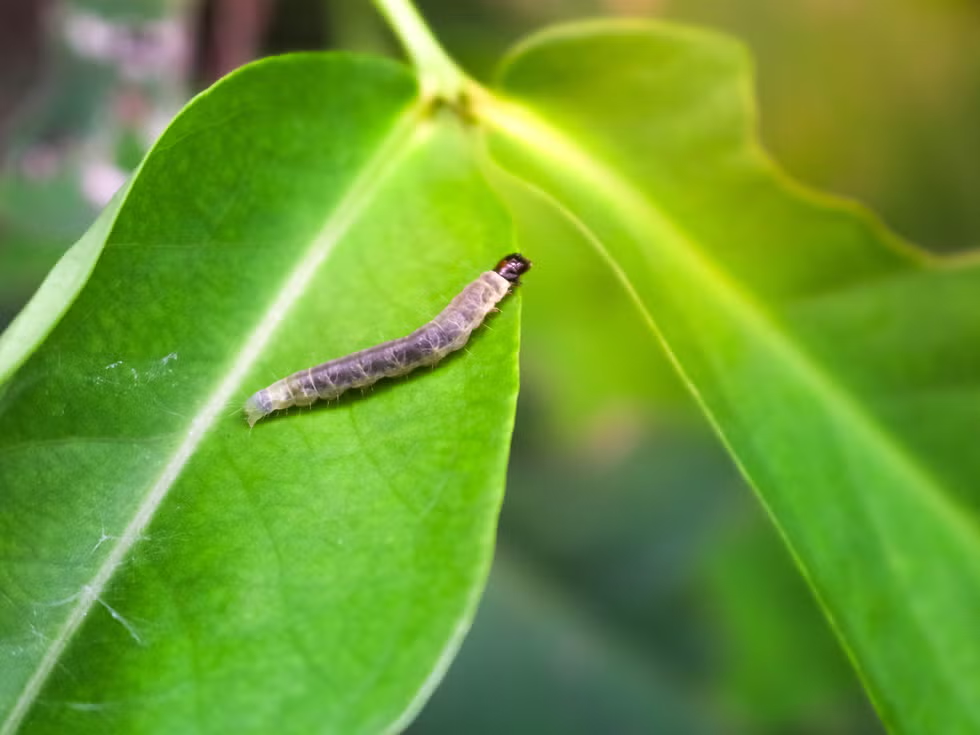
Fruit growers should also keep an eye out for codling moth and oriental fruit moth larvae. ”Rather than feeding on leaves, the larvae tunnel into developing fruit, leaving entry holes and causing fruit to become distorted or rot prematurely,” she says.
Advertisement – Continue Reading Below
Another species to watch out for is the box tree moth, which has become widespread in recent years. “Box tree moth caterpillars are among the most destructive garden pests,” warns Cobley. “Greenish-yellow with black stripes, they feed voraciously on box plants, causing extensive defoliation.”
These leave behind characteristic webbing that looks almost spider-webbed. Repeated attacks can weaken or kill mature box hedges and shrubs.
How to Stop a Caterpillar Infestation Naturally
SergioZacchi//Getty Images
Early action is the simplest way to prevent a minor caterpillar problem from becoming a major one.
“Keep checking leaves frequently for eggs, webbing, and folded foliage—any leaves that have been webbed together should be opened and cleaned out before larvae have a chance to spread,” Cobley tells us.
Removing egg clusters can drastically reduce future problems too. The best thing to do is to stop moths and butterflies from laying eggs in the first place. Covering vulnerable crops with fine mesh netting creates a barrier while still allowing light, rain, and airflow to reach plants.
For smaller infestations, hand removal remains one of the most effective methods. “Caterpillars can simply be picked off plants and relocated elsewhere if appropriate,” Cobley explains. “Gloves are recommended, particularly when handling hairy or spiny species.”
Encouraging natural predators can also help keep populations balanced. Birds, predatory insects, and wasps all feed on caterpillars and their eggs. This is another excellent reason to create a wildlife-friendly habitat—nectar-rich flowers, water sources, and nesting spaces can all provide valuable natural pest control.
Leave a Reply